Building Beyond the Chair: Dr. Khash Gharavi
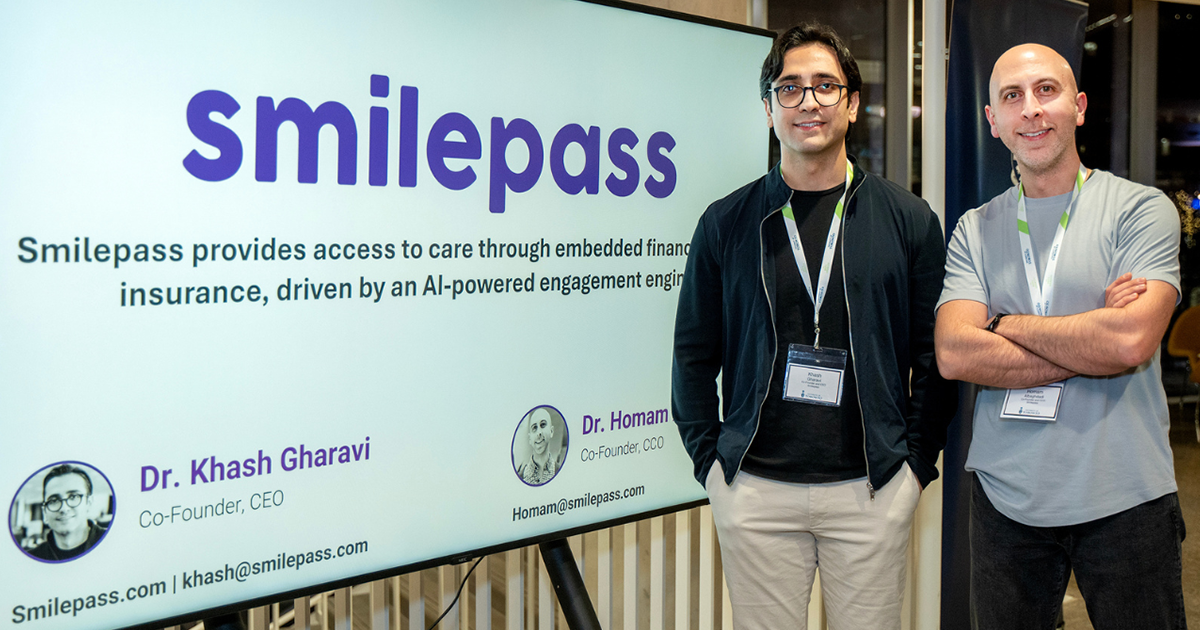
On some days, Dr. Khash Gharavi is chairside treating patients. On others, he’s working with developers and dental teams to solve one of the profession’s operational frustrations: insurance administration.
For Dr. Gharavi, the two roles are closely connected.
“I’m a clinician first,” he says. “But everything I’m building comes from problems I see in practice.”
That dual perspective is shaping how he views the future of dentistry—one that increasingly blends clinical care, business strategy, and technology. While many dentists still follow a traditional path from chairside practice into ownership, Dr. Gharavi is exploring new models for how modern practices can operate.
Starting with Structure
Dr. Gharavi began working with Dentalcorp as an associate in 2017. “It was one of my first clinics after graduating,” he recalls. “There’s a lot of support there, both technically and from a development standpoint.”
That experience helped him build confidence as a clinician while also exposing him to the operational side of dentistry—how practices run, how teams are managed, and how systems can improve efficiency.
Today, he divides his week deliberately: roughly two days seeing patients, with the remainder dedicated to Smilepass, an AI-powered dental insurance verification software built to automate insurance workflows and ease the administrative load on dental teams. The pain point is one every front-office team knows well, pulling a dental insurance breakdown traditionally means admin staff spending hours on the phone with providers. Smilepass delivers a more thorough breakdown in minutes, saving practices 20+ hours a week.
“Clinical work keeps me grounded in what dentists and patients actually deal with day to day,” he says. “The rest of the week, I'm working with our team at Smilepass on the problems that pull dentists away from patient care." “Insurance administration is one of the biggest hidden costs in a practice,” Dr. Gharavi explains. “If we can take that off the team's plate, we give front office staff something they can't get back any other way: time. Time to greet patients by name, answer questions without watching the clock, and build the kind of trust that turns a first visit into a lifelong relationship.”
Rethinking the Traditional Path
For decades, the expected trajectory in dentistry was relatively straightforward: gain clinical experience, purchase a practice, and transition into ownership. But that model is evolving, and Dr. Gharavi is part of a generation rethinking what success in the profession can look like.
His career path also reflects broader changes within dentistry, including the growth of corporate dentistry and increasing interest in alternative career models.
“There’s definitely more openness now to careers that look different,” he says. “You don’t have to choose between being a clinician and being an entrepreneur. A lot of us are doing both.”
Part of that shift is practical. The business side of dentistry—from staffing to operations and marketing—is complex and not typically covered in depth during dental school.
“Clinical training is strong,” he explains. “But business is something you have to learn on your own.”
Rather than rushing into ownership, Dr. Gharavi has chosen to develop those skills gradually while exploring opportunities beyond a single practice.
Thinking Beyond One Location
Ask Dr. Gharavi about the future, and the conversation quickly moves beyond his current clinical schedule.
“Smilepass already runs in practices in every province in Canada,” he says. “The next step is scaling from that base and entering the U.S. market.”
That growth is not just about geography. It also involves developing systems that can adapt across regulatory environments and practice sizes. Technology is central to that vision.
“We’re looking at ways to streamline processes and automate where possible,” he explains. “Especially for understaffed clinics. If you can make operations more efficient, you can help practices grow without putting additional pressure on cash flow.”
It’s a perspective that reflects a broader shift in dentistry, where clinical expertise increasingly overlaps with entrepreneurship and technology. For Dr. Gharavi, the two are not separate—they inform one another.
A Front-Row Seat to Industry Change
In addition to his clinical and entrepreneurial work, Dr. Gharavi participates in the CDSPI Advisory Panel, which brings together dental professionals to discuss industry trends and challenges. The group meets annually to provide feedback on emerging issues and help shape future products and services.
“It’s a chance to step back and look at the bigger picture,” he says. “What’s changing? What are the challenges? What do dentists actually need?”
Among the topics frequently discussed are government programs such as the Canadian Dental Care Plan (CDCP), reimbursement rates, and the financial sustainability of practices.
“These are real concerns,” Dr. Gharavi says. “They affect how practices operate day to day.”
The panel also provides an opportunity for connection and collaboration within the profession.
“Dentistry is a pretty tight-knit community,” he says. “These meetings are a good way to build relationships and hear different perspectives.”
Building a Network, One Connection at a Time
Despite his focus on growth and innovation, Dr. Gharavi remains grounded in one of the profession’s longstanding traditions: learning from peers.
“Study clubs are a big part of it,” he says. “And conferences—both the larger ones and smaller events.”
These settings provide opportunities to discuss cases, exchange ideas, and stay current with new developments in the profession. Increasingly, those conversations continue online.
“Social media has made it easier to stay connected,” he notes. “You can reach out to colleagues, get input on a case, or just stay in touch.”
Many of those relationships trace back to dental school—a reminder that the connections formed early in a career often become lasting sources of support and collaboration.
Looking Ahead
For Dr. Gharavi, the future of dentistry is full of possibility. Economic pressures, policy changes, and evolving patient expectations are continuing to reshape the profession.
Rather than viewing those shifts as obstacles, he approaches them as opportunities to better understand where dentistry is headed—and where he can contribute.
“There’s a lot changing,” he says. “But that also means there’s opportunity.”
For now, Dr. Gharavi continues to divide his time between patient care and growing Smilepass. The balance, he says, keeps him connected to both the realities of practice and the future he hopes to help shape.
More articles on Dr. Khash Gharavi:
Canada’s Most Stolen Vehicles in 2025—And How to Protect Yours

The 2025 Auto Theft Trend Report released by Équité Association1 revealed that national and industry initiatives have resulted in an 18% Canada-wide, year-over-year decrease in auto theft when compared to 2024. However, organized crime groups are adapting with more sophisticated methods, ensuring that the financial burden on Canadians remains high, with insurance claims totaling an estimated $900 million in 20252. From high-end SUVs to pickup trucks, some vehicles are more at risk than others. Whether you drive one of these top targets or not, knowing how to protect your car is key.
The 10 Most Stolen Vehicles in Canada for 20253:
| RANK CAR MAKE & MODEL | NUMBER OF STOLEN VEHICLES | |
|---|---|---|
| 1 | Toyota RAV4 | 2,080 |
| 2 | Dodge Ram 1500 Series | 2,018 |
| 3 | Honda CR-V | 1,911 |
| 4 | Ford F150 Series | 1,833 |
| 5 | Honda Civic | 1,797 |
| 6 | Jeep Wrangler | 1,491 |
| 7 | Chevrolet/GMC Silverado/Sierra 1500 Series | 1,192 |
| 8 | Toyota Highlander | 1,141 |
| 9 | Toyota Tundra | 1,129 |
| 10 | Lexus RX Series | 1,124 |
Why are these vehicles being stolen?
Auto theft isn’t just about opportunity—it’s a huge criminal industry. Here’s why certain cars are stolen more than others:
It’s no surprise that high-end SUVs and pickup trucks dominate this list. These vehicles are highly desirable on international black markets because they hold their value, are in strong demand overseas, and can often be resold for significant profits. In many cases, organized crime networks steal vehicles in Canada specifically to ship them abroad within days of the theft.
Compact SUVs like the Toyota RAV4 and Honda CR-V remain at risk due to their popularity and ease of theft.
Keyless Entry Vulnerability – Many modern cars are stolen via relay attacks, where thieves amplify your key fob’s signal to unlock and start your car.
Chop Shops & Parts Market – Older models, like the 2006 Silverado, are stolen for parts, as their components are valuable and easier to resell.
How to protect your vehicle from theft:
Don't let your car become another statistic! Follow these expert tips to reduce your risk of auto theft:
Lock up & roll up.
It sounds basic, but nearly 50% of stolen cars were left unlocked. Always lock your doors and close windows — even when parked at home.
Never leave your car running.
A moment of convenience can lead to instant regret. Leaving your vehicle running unattended makes you an easy target.
Understand practice value and exit options.
Standard car alarms are not enough. Invest in:
- Steering wheel locks — A simple, highly effective deterent.
- Faraday pouches for key fobs — A faraday bag, pouch or box is essentially a small container that you store your car keys in which block electromagnetic fields, such as those emitted by keyless entry systems and prevents thieves from hijacking the signal.
- Wheel locs — Prevents thieves from stealing your rims and tires.
- Bollards — Some car owners have taken the extreme measure of installing hydraulic retractable driveway bollards on their property.
Part smart.
Whenever possible, park in:
- A garage rather than a driveway.
- A well-lit, high-traffic area if parking outside.
- A secured lot with surveillance cameras.
Install home security cameras.
If you park in your driveway, security cameras deter thieves and help recover stolen cars. Motion-activated floodlights are an extra bonus.
Store keys away from doors & windows.
Modern vehicle thieves often don’t need to break a window or force a lock. In some cases, they can capture and relay the signal from your key fob while it sits inside your home, allowing them to unlock and start your vehicle from outside. In other situations, theft can be even simpler — an unlocked front door or keys left in the ubiquitous bowl/tray near the entrance can provide quick access while you are distracted outside or away from the house. To reduce risk, keep keys away from doors and windows, avoid leaving them in visible or predictable locations, and consider storing key fobs in a Faraday pouch to help block wireless signals.
Don't store valuables in your car.
To help prevent vehicle break-ins, avoid leaving valuables visible or unsecured inside your car. Even small items — such as bags, electronics, charging cables, sunglasses, or loose change — can attract opportunistic thieves. If you must leave belongings in your vehicle, store them securely out of sight in the trunk before arriving at your destination.
It is also important to understand that items stolen from your vehicle are typically covered under your home insurance policy — not your auto insurance policy — which can sometimes result in two separate claims if both the vehicle and its contents are damaged or stolen. However, if both your home and auto insurance are with The Personal, only one deductible will apply in the event of a covered loss.
Check your insurance coverage.
Make sure your auto insurance covers theft and replacement costs.
Car parts are being stolen too
While entire vehicles are a target, so are expensive parts, especially catalytic converters. These emissions-control devices contain platinum, palladium, and rhodium, making them a gold mine for thieves.
Good news: Catalytic converter thefts have dropped significantly since 2022, thanks to:
Tougher laws requiring scrap yards to track sellers;
Police initiatives like VIN etching programs; and
A significant drop in the price of precious metals like rhodium, palladium, and platinum.
The bottom line
While car theft is finally declining in Canada, the problem is far from solved. Whether you own a luxury SUV, a work truck, or an everyday commuter, taking the right precautions can significantly reduce your risk.
Stay safe, stay vigilant, and keep your car where it belongs—with you.
1 As the national authority on insurance crime and fraud prevention, Équité Association is a not-for-profit organization supporting Canadian property and casualty (P&C) insurers.
3 Équité Association's 2025 Auto Theft Trend Report3 Canada's Most Stolen Vehicles
* The CDSPI Home & Auto Insurance Program is underwritten by The Personal Insurance Company and distributed by CDSPI Advisory Services Inc.
The CDSPI Home & Auto Insurance Program is subject to certain conditions, limitations and exclusions. Products, services, savings and discounts are subject to eligibility conditions and may vary by jurisdiction. Rates and discounts are subject to change without notice. The CDSPI Home & Auto Insurance Program is not available to residents of Quebec. Auto insurance is not available to residents of Manitoba, Saskatchewan and British Columbia due to government-run plans. The terms and conditions of the coverages described are set out in the insurance policy, which always prevails.
The LOOP Volume 7: Supporting the People Who Support Your Practice

Happy Clinic, Healthy Practice: Why Support Systems Matter More Than Ever
Working in a dental practice in 2026 means navigating a steady accumulation of pressures.
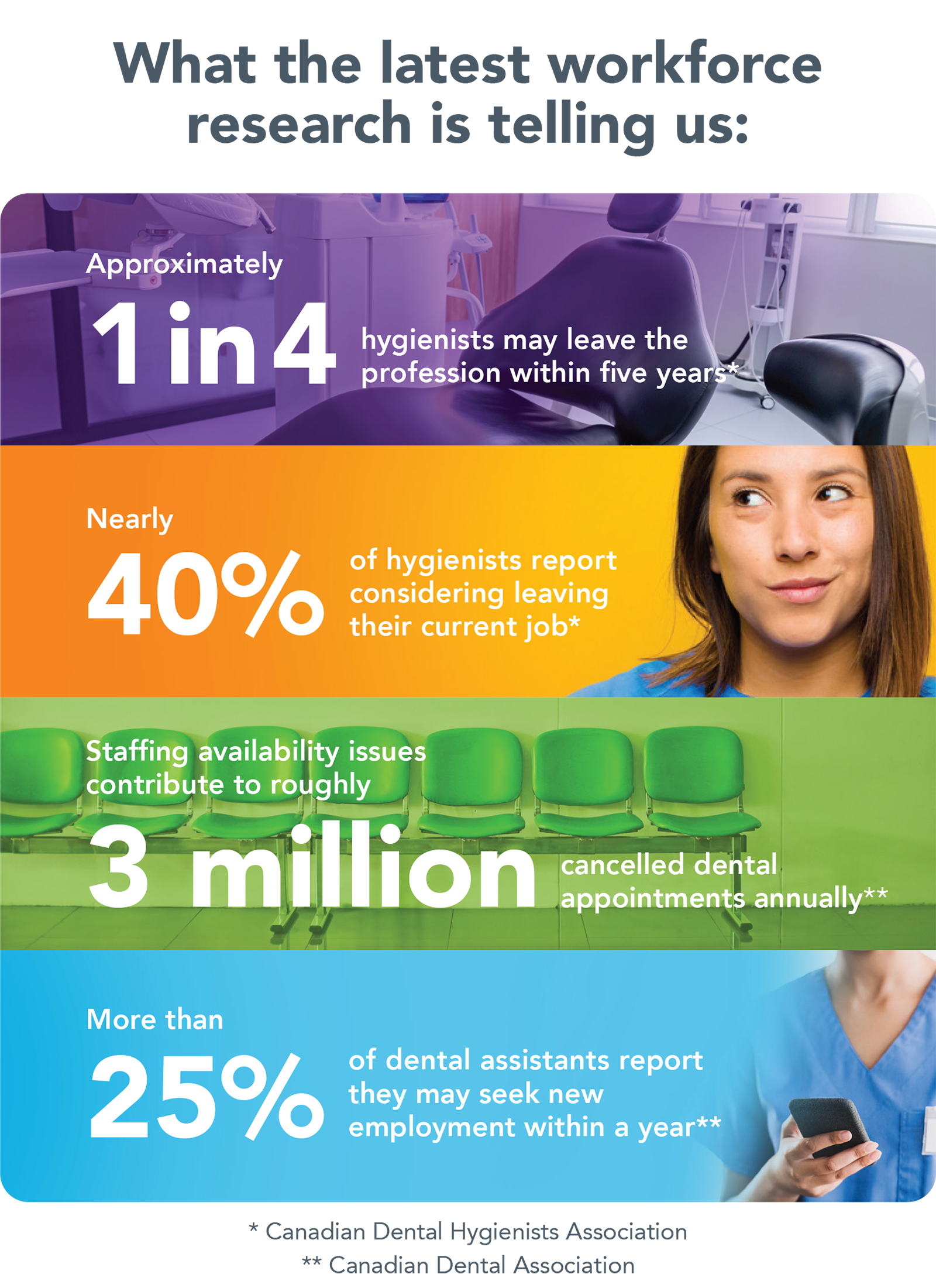
Staffing remains one of the most visible challenges. Many practices continue to have trouble recruiting and retaining hygienists and dental assistants. Workforce data reports a growing number of dental professionals reconsidering their roles due to workload, stress, and workplace experience.
At the same time, global financial pressures are tightening margins. Patient expectations are also evolving. Cost sensitivity is increasing, particularly among uninsured populations, and patients are placing greater value on transparency, efficiency, and consistency in their care experience.
In many cases, the difference between a practice that absorbs pressure effectively and one that struggles comes down to practice culture and how people are supported day to day. Communication, leadership consistency, and access to support all influence how teams respond when challenges arise.
This is where many practices are beginning to shift their focus. Rather than attempting to eliminate external pressures, they are strengthening the internal systems that help teams manage them. The secret weapon in your workplace wellbeing arsenal that you may not be aware of is the Members’ Assistance Program(MAP).
Available at no cost to dental professionals courtesy of CDSPI through our partners at TELUS Health, MAP can play a broader role in supporting leadership, strengthening workplace culture, and helping teams navigate stress before it escalates. The opportunity is not simply to offer or recommend MAP as a benefit, but to use it with thoughtful intention as part of a more proactive approach to leading and supporting your teams.
POSITIONING MAP AS A CULTURAL ASSET
In many dental practices, MAP is understood as a confidential service available when someone is facing a personal or professional challenge. It is often positioned as something to access in moments of difficulty, rather than as part of the day-to-day environment of the clinic. That perception is understandable, but it can limit the role MAP is able to play.
In practice, MAP can contribute to something broader: the overall culture of how a team experiences support, communicates under pressure, and navigates challenges together. When it is visible, accessible, and regularly referenced, it helps reinforce a workplace environment where seeking guidance is normalized and support is readily available.
This perspective reflects a broader shift in how workplace wellbeing is being approached across professional environments. In a recent webinar with TELUS Health, CDSPI explored how programs like MAP can move beyond reactive support to play a more proactive role in how workplace culture is experienced, how leaders navigate challenges, and ultimately how practices support and retain teams.
A recording of the session is available for those interested in exploring the topic further.
The sections that follow outline practical ways to embed MAP into everyday practice, beginning with how wellbeing is made visible and normalized within the clinic.
Making Wellbeing Part of the Everyday
Making team wellbeing support more visible and accessible as part of the day-to-day environment does not require major changes. Small, consistent actions can help normalize support and make resources like MAP more approachable for the entire team.
Make Confidently Clear and Concrete
What this can look like:
- Briefly explain that MAP is a confidential, third-party service
- Reinforce that no personal information is shared with the practice
- Mention practical safeguards (for example, separate scheduling processes and discreet access)
Introduce "Wellness Minutes" in Team Meetings
What this can look like:
- A 2–5 minute discussion at the start or end of a meeting
- Sharing a short article, video, or tip from TELUS Health resources
- Briefly acknowledging common stressors (time management, workload, balance)
Make Access Easy and Visible
- Posting MAP details in staff rooms or shared areas
- Including access information in onboarding materials
- Saving login details on shared or bookmarked devices
- Periodically reminding the team that the service is available
Normalize Through Small, Consistent Signals
- Mentioning MAP during team check-ins or busy periods
- Referring to it as a resource for everyday challenges (like household budgeting, finding childcare or eldercare, etc.) not only crises
- Encouraging use without requiring disclosure
HOW TO ACCESS MAP
Confidential Support if available 24/7 for dentists, staff, and their families.
Phone (24/7):
1.844.578.4040
Online:
one.telushealth.com
Mobile App:
TELUS Health One
Login:
Username: [Your Provincial/Territorial Association Abbreviation]Password: CDSPI
In Quebec, MAP can be accessed using the login [CDA] and the password [CDSPI].
What MAP offers:
- Counselling sessions
- Financial and legal consultation
- Work-life and family support
- Wellness resources and tools
- Savings and perks, including discounts on popular brands
Establishing visibility and familiarity is the first step. Once MAP is part of the everyday environment, it can also become a practical tool for navigating more complex team and leadership challenges.
SUPPORT FOR NAVIGATING WORKPLACE SITUATIONS
Situations involving team dynamics, performance concerns, or changes in behaviour can be difficult to approach, particularly when there is uncertainty about how to respond. MAP provides access to consultants who specialize in workplace and interpersonal issues. These conversations can help clarify options, provide language for difficult discussions, and offer a structured way to approach sensitive situations.
For those in leadership roles, this can support:
- Preparing for challenging conversations
- Responding to changes in team member behaviour
- Navigating conflict or communication breakdowns
- Navigating workplace tension
- Seeking perspective on a situation
- Preparing for a conversation with a colleague or employer
Having the opportunity to talk through a situation in advance often leads to more confident, constructive outcomes.
Support Beyond the Clinic
Many of the pressures experienced are not limited to the workplace. Balancing clinical responsibilities with personal commitments, family responsibilities, or financial decisions can create a steady mental load over time. MAP includes anytime, anywhere access to CareNow: a personalized platform of interactive content, 24-hour live chat, self-care programs and wellness assessments.
It also includes access to one-on-one counseling on a range of issues from managing family or caregiving responsibilities, to advice on time management and workload balance. An oft used and particularly valuable resource is access to qualified legal professionals in areas such as family, property, civil, estate, etc.
While these may seem separate from clinical practice, they often influence focus, energy, and overall wellbeing. Having access to practical support in these areas can help reduce that background pressure and make it easier to stay present and engaged at work.

IN PRACTICE: USING MAP TO HELP DEESCALATE
The Situation
- Appointments are running behind more frequently
- Communication feels shorter and occasionally tense
- A few minor oversights have occurred, which is unusual
The Challenge
- Is this a performance issue or something else?
- How can the conversation be supportive without being intrusive?
- What is the right way to raise concerns without creating tension?
Leveraging MAP
- Focus on observable behaviours rather than assumptions
- Prepare clear, neutral language for the conversation
- Understand how to offer support while maintaining appropriate boundaries
- Plan how to respond depending on how the conversation unfolds
The Outcome
- Is grounded in specific observations
- Offers support rather than corrective action
- Reveals that the team member has been managing challenges outside of work
- Performance stabilizes
- Communication improves
- The working relationship remains strong
Making map stick in practice
You don’t need a formal program for MAP to be effective. What matters most is consistency. In practices where MAP becomes part of the culture, it is typically:
- Introduced early (onboarding or initial conversations)
- Referenced regularly, not only during challenges
- Accessed easily without needing to search for information
These small, repeated signals help build familiarity over time, and when support is needed, it feels accessible, appropriate, and routine. This is an important factor in building and maintaining a stable, engaged team.
Supporting the People Who Support Your Practice
The Members’ Assistance Program is a practical, no-cost tool to support the dental clinic culture. When MAP is visible, understood, and used proactively, it can help teams and individuals navigate challenges with greater clarity and confidence, while reinforcing a culture where support is accessible and encouraged.
This does not require significant change. In many cases, it begins with small, consistent actions that make support easier to access and more comfortable to use. Over time, those actions can contribute to a more stable, resilient team, one that is better equipped to manage pressure, adapt to change, and continue delivering care with confidence.

CDSPI FUNDS #1 FOR PERFORMANCE THREE YEARS IN A ROW!
CDSPI’s Family of Funds has been ranked #1 in investment performance for the third consecutive year, based on Morningstar Direct data and reported in Investment Executive.* In 2025, 90.2% of assets under management ranked in the top two quartiles,* reflecting consistent results across changing market conditions. CDSPI attributes this performance to a disciplined, diversified approach, with exposure to global equities, emerging-market bonds and alternative assets helping to support outcomes. While strong performance remains important, CDSPI emphasizes the value of pairing investment strategies with personalized advice to help ensure portfolios stay aligned with evolving goals.
DENTISTS SPOTLIGHT: RETHINKING THE PATH TO PRACTICE OWNERSHIP
Dr. Ray Grewal’s approach to practice ownership challenges the traditional solo model, emphasizing partnership, mentorship and long-term stewardship over rapid expansion. From growing a Vancouver-based oral surgery network to six offices to creating clear pathways for associates to become partners, his focus is on building a sustainable, collaborative environment where both experienced clinicians and the next generation can thrive. In a new profile, Dr. Grewal shares how openness to opportunity, thoughtful leadership and a commitment to people have shaped his career—and what it means for the future of dental practice. Read Dr. Grewal’s story.
MANAGING YOUR TAX BRACKET AFTER RETIREMENT
As you move closer to retirement, financial questions shift from accumulation to coordination. Income may come from multiple sources, including RRSPs, RRIFs, or TFSAs, professional corporations, and government benefits. Without careful planning, withdrawals can unintentionally increase taxable income or trigger avoidable taxes. Read Managing Your Tax Bracket After Retirement: 10 Smart Steps to Follow, for practical strategies to structure retirement income more efficiently.
* A golden year for seg funds | Investment Executive | Joel Kranc
** TFSA usage drops as Canadians cope with higher cost of living: BMO
Ed Dermit Recognized with Manitoba Dental Association Honorary Membership
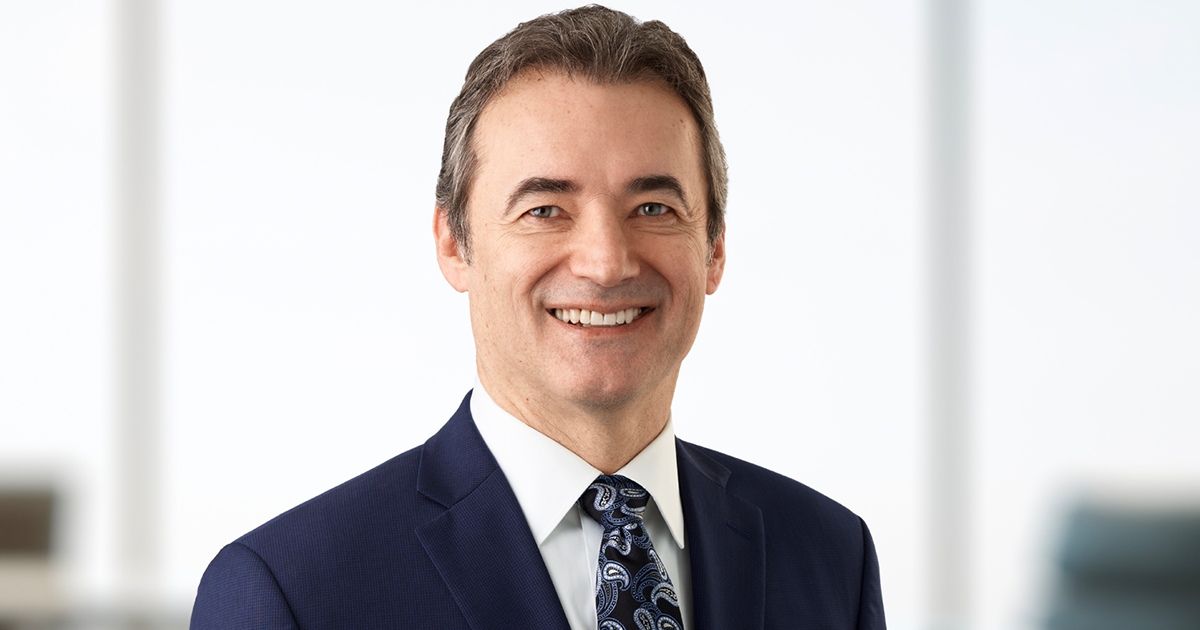
We are pleased to share that Ed Dermit has been awarded an Honorary Membership by the Manitoba Dental Association (MDA). This rare distinction recognizes individuals whose contributions have had a lasting impact on the dental profession in Canada.
Presented during the 2026 Prairie Lights Dental Convention, held in partnership with the Canadian Dental Association, the award reflects both Ed’s leadership at CDSPI and beyond, as well as his longstanding commitment to supporting dentists and the organizations that represent them.
Honorary Membership of the MDA is granted sparingly. Prior recipients include a small group of highly respected leaders from dental associations across the country. Ed is now the fifth individual to receive this prestigious recognition.
At the award presentation, Ed’s contributions were described as “transformative”. Under his leadership, CDSPI worked closely with dental associations across Canada to help secure more than $200 million in insurance compensation for dentists affected by practice closures during the COVID-19 pandemic. He also played a key role in strengthening the integration of malpractice insurance within provincial and territorial dental association offerings, helping to reinforce both stability and value for members. In addition, his efforts contributed to expanding access to legal expense coverage, further enhancing the protections available to dentists.
Beyond these achievements, this honour speaks to his ability to cultivate deep and lasting relationships. Over more than a decade with CDSPI, Ed has worked closely with CEOs, Executive Directors and dental leaders in every province and territory. His collaborative approach, thoughtful guidance, and consistent support have helped foster a strong sense of connection across the national dental community.
Ed joined CDSPI in 2014, bringing extensive experience in financial services and a deep commitment to serving the dental community. Throughout his tenure, he has remained focused on CDSPI’s core purpose: supporting dentists with trusted, unbiased insurance and investment solutions tailored to their needs.
As Ed embarks on his post-retirement journey, this recognition is a richly earned and meaningful acknowledgment of the impact he has had on the profession and the community CDSPI is proud to serve.
Please join us in congratulating Ed on both this honour and wish him the best in his well-deserved retirement.
Would Your Dental Practice Qualify for Cyber Insurance Today?

Reprinted with permission from Oral Health Magazine. Written by Anne Genge and CDSPI.
Why cyber insurance is essential and why preparedness matters just as much
Cyber insurance can feel complex, technical, and sometimes expensive. But in today’s digital practice environment, it has become a standard part of responsible practice ownership.
Owning a dental practice means managing risk thoughtfully. You manage clinical risk, financial risk, staffing risk, and regulatory risk. Cyber risk now belongs in that same category.
According to CDSPI, a not-for-profit organization that works with dentists on financial planning and risk management strategies, many practice owners are already familiar with protecting their practice against other operational risks through insurance and structured planning. Cyber risk is simply the digital extension of that same principle: protecting the systems, information, and patient relationships that allow the practice to operate.
Modern dentistry runs on technology. Electronic records, digital imaging, cloud-based practice management systems, online booking, automated recalls, integrated payment processing, and emerging AI tools all support patient care and business efficiency. These systems are investments that improve outcomes and productivity.
They also introduce exposure.
Cyber insurance plays an important role in protecting practices from the financial impact of ransomware, business interruption, data breach response costs, legal consultation, and regulatory obligations. It provides access to specialized experts during a crisis, including forensic investigators, breach counsel, and communications support. These are resources that would be difficult for a single practice to assemble independently.
At the same time, insurers increasingly expect to see reasonable safeguards in place before issuing or renewing coverage. That alignment between coverage and preparedness is not a barrier. It is part of building meaningful protection.
If you are investing in digital systems to support patient care, investing in protecting those systems is part of doing business well.
In more than 25 years working with dental practices, including the last 15 focused specifically on cybersecurity and data protection, I have seen the landscape evolve from occasional IT disruptions to sustained, targeted cyber risk. What I have learned is this: most dentists are not underprepared because they do not care. They are under-supported because cybersecurity has become a governance issue, not just an IT issue.
Cyber insurance and cybersecurity are partners, not substitutes
A common misconception is that cyber insurance replaces cybersecurity. In reality, insurance is a financial risk transfer mechanism. It assumes that reasonable precautions are already in place.
Today’s underwriting standards commonly require confirmation of safeguards such as multi-factor authentication on email and remote access, secure and tested backups, endpoint detection and response tools, email filtering and phishing protection, documented staff cybersecurity training, and a defined incident response plan.
These requirements reflect claims data and industry experience. Credential compromise and ransomware continue to be leading causes of healthcare disruption. Insurance functions best when it sits on top of foundational controls. According to CDSPI, this alignment between safeguards and coverage has become one of the most important conversations with practice owners. Insurers are increasingly focused on whether key controls are in place, and practices benefit when cybersecurity and insurance decisions are considered together rather than in isolation.
A Canadian example: The City of Hamilton
In February 2024, the City of Hamilton, Ontario, experienced a significant ransomware incident that disrupted a large portion of its municipal IT systems. Public reporting indicates that approximately 80 percent of city systems were affected.
The City had cyber insurance coverage in place. However, during the claims process it became clear that multi-factor authentication had not been fully implemented across its environment. MFA implementation was a condition within the policy framework. Because that control was not fully in place, the insurer did not reimburse the City’s recovery costs.
Public reporting indicates the total recovery and remediation costs were approximately 18 million Canadian dollars.
The lesson from Hamilton is not that insurance failed. The lesson is that policy conditions and implemented safeguards must align. Coverage is based on representations made at the time of application and on the existence of required controls. Even well-resourced organizations can discover gaps between intended protections and documented implementation.
For smaller healthcare practices, that alignment matters even more.
The Canadian regulatory context
Dental practices across Canada operate under both federal and provincial privacy legislation.
At the federal level, the Personal Information Protection and Electronic Documents Act, known as PIPEDA, requires private sector organizations engaged in commercial activity to protect personal information with safeguards appropriate to its sensitivity.
Most provinces also have their own health or private sector privacy statutes, such as the Personal Health Information Protection Act in Ontario, the Health Information Act in Alberta, and the Personal Information Protection Act in British Columbia.
Across these frameworks, organizations are expected to implement reasonable administrative, technical, and physical safeguards, report certain breaches to regulators, notify affected individuals when required, and maintain accountability for privacy governance.
Regulators assess whether reasonable safeguards were in place. Insurance coverage does not replace statutory obligations to protect patient information. Preparedness supports both insurability and regulatory compliance.
Why many practices feel caught off guard
Most dentists are not cybersecurity specialists. In many cases, practices rely on their IT provider to handle security. Traditional IT support often focuses on system uptime, hardware maintenance, and troubleshooting. Governance frameworks, risk documentation, training verification, and insurer readiness may not be explicitly included.
As a result, practices often lack a documented cybersecurity policy, evidence of staff training completion, verified backup testing logs, formal risk assessments, and defined roles and responsibilities for security oversight.
When insurance applications ask detailed operational questions, it can feel overwhelming.
The issue is not neglect. It is complexity. Cyber risk management expectations have evolved quickly, and the documentation requirements are more formal than they were even five years ago.
Governance is the turning point
The transition from uncertainty to confidence rarely comes from purchasing another piece of software. It comes from structure.
A governance-based approach includes clear accountability for cybersecurity leadership, written policies and procedures, regular risk assessments, documented technical safeguards, team wide training, and ongoing monitoring and review.
When these elements are in place, insurance applications become more straightforward. Renewal discussions are less stressful. Regulatory inquiries are easier to navigate. Decision making becomes proactive rather than reactive.
Cyber insurance then becomes what it is intended to be, the financial layer that sits on top of a resilient foundation.
Reframing the investment
Practice owners routinely invest in areas that support growth and stability. You invest in clinical equipment, continuing education, marketing, staff development, and compliance programs.
Cybersecurity belongs in that same category.
It is not a cost centre detached from revenue. It protects the systems that generate revenue. It safeguards patient trust. It supports operational continuity.
Cyber insurance reinforces those protections by providing financial and professional support if an incident occurs. The two are interdependent.
Practical next steps
For practices evaluating cyber insurance readiness, consider confirming that multi-factor authentication is enabled across all user and administrative accounts, ensuring backups are encrypted and regularly tested, reviewing endpoint and email security protections, documenting cybersecurity policies and procedures, providing and recording team-wide training, conducting a risk assessment and remediating identified gaps, and reviewing policy terms carefully to understand coverage conditions.
These steps strengthen both security posture and insurability. As the cyber insurance market evolves, many practices are also discovering that coverage options have expanded. Working with insurance advisors and specialist brokers who understand both the dental environment and the cyber insurance landscape can help practices evaluate solutions that align with their operational needs, technology use, and risk tolerance.
A better question to ask
Instead of asking: Do we have cyber insurance, consider asking: Are we structured in a way that supports both strong safeguards and reliable coverage?
That shift reframes cyber insurance from a transactional purchase to part of a broader resilience strategy.
Digital dentistry will continue to evolve. Technology investments will continue to grow. Protecting those investments and aligning them with meaningful coverage is now part of modern practice ownership.
Rethinking the Path to Practice Ownership: Dr. Ray Grewal
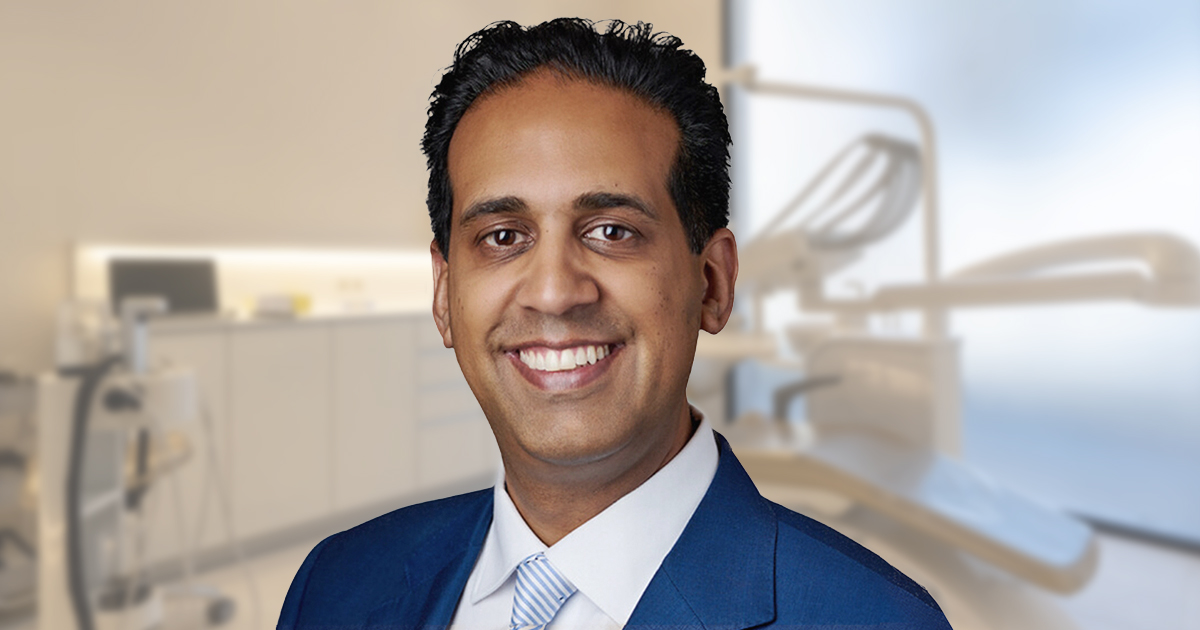
Dr. Ray Grewal has built something deliberately different—an oral surgery network grounded in partnership, mentorship and an openness to opportunity. Over the course of his career, he has grown a Vancouver-based practice from two offices to six, but the more defining story is not about scale. It is about stewardship.
Today, Dr. Grewal occupies a role that colleagues might describe as an “elder statesman.” His focus has shifted toward shaping the next generation of surgeons, creating pathways into practice, and building a culture that makes talented associates want to stay.
A Career Shaped Early
Dr. Ray Grewal’s path into oral surgery was both ambitious and pragmatic. After completing his undergraduate degree at McGill in just three years, he headed to the United States for dental school at Columbia, followed by oral surgery training at Yale. At the time, opportunities in Canada were limited, and like many of his peers, he looked south for access to top-tier programs.
“There just weren’t the same opportunities in Canada at that time,” he explains. “If you wanted that level of training, you had to go where it existed.”
The decision came with trade-offs. Training was demanding—long shifts, relentless on-call schedules—and financial support was minimal. He recalls the sacrifices his family made, particularly during a period when the Canadian dollar made U.S. tuition especially daunting.
That experience left an imprint. It shaped not only his work ethic, but his appreciation for the investment required to become a specialist—and the responsibility that comes with it.
Growth Without a Ceiling
When Dr. Ray Grewal returned to Canada, he entered practice at a time when opportunities were starting to open up. What began as a two-office operation gradually expanded, not through rigid planning but through a willingness to act decisively when the right opportunity appeared.
“You see an opportunity in a geographic area, and you think—does this make sense for patients? Does it make sense for the group?” he says. “If it does, you move on it.”
That approach held firm even during uncertainty.
“We opened offices during COVID. Most people were pulling back, but we felt there were still needs that weren’t being met.”
The result is a network of six offices—with a seventh opening soon— and each operating independently but connected through shared ownership and philosophy.
“Every office has its own personality,” he notes. “But we’re all aligned in how we practise and how we treat people.”
Underlying that expansion is a simple philosophy: don’t close the door too early.
Rather than viewing growth as a finite plan, Dr. Grewal sees it as a series of decisions—each one requiring judgment, but also a degree of openness. That mindset has allowed the practice to evolve organically, adapting to changing conditions while maintaining a consistent standard of care.
Why Group Practice Matters
Central to Dr. Grewal’s approach is a strong belief in group practice. In a field where solo ownership has long been the norm, he has intentionally built a model that emphasizes collaboration over independence.
Each of the six offices operates with a degree of autonomy, but they are united through shared ownership and constant communication among partners. The structure allows for flexibility—each location can respond to its own patient base—while ensuring that no one is operating in isolation.
For Dr. Grewal, the benefits are both practical and personal. Workloads can be distributed more evenly. Responsibilities are shared. Cases can be discussed. And the isolation that can come with solo practice is reduced. “I’ve always believed in group practice over solo,” he says. “It’s just a better way to work.”
“You’re not carrying everything yourself,” he explains. “If something comes up, you’ve got people you trust to talk it through.”
The Art of Choosing Partners
Dr. Ray Grewal is deliberate about who joins the practice—not just in terms of clinical skill, but character. Reputation matters. Compatibility matters. And often, so does instinct.
“There has to be a gut feeling,” he explains, acknowledging that even the most careful evaluation sometimes requires a leap of faith.
Once inside the partnership, expectations are clear: fairness above all. Responsibilities are shared evenly, regardless of seniority. That includes taking calls and managing the most challenging cases. The goal is not hierarchy, but balance—creating an environment where every partner feels both accountable and supported.
Recruiting the Next Generation
Where Dr. Ray Grewal’s role as an elder statesman becomes most evident is in how he approaches associates.
Dentistry, and particularly oral surgery, offers relatively few alternative career paths. For younger professionals, the choice is often between ownership and employment. Increasingly, many are opting for associateship—drawn by the stability it offers and wary of the business complexities that come with running a practice.
Dr. Grewal understands that shift. He has seen firsthand how limited business training in dental school can leave new graduates underprepared for ownership. He has also seen how economic pressures have raised the stakes.
Recruitment, in his practice, is not about filling a gap. It is about creating a pathway.
New associates are brought into an environment where expectations are high, but support is built in. Senior partners provide guidance, but the relationship is not one-directional. Younger surgeons bring new techniques, new perspectives, and new energy. The exchange is mutual.
This balance—between mentorship and openness—is what allows associates to see a future within the practice. They are not simply employees. They are potential partners.
And that, he believes, is the key to retention.
Bridging Generations
One of the more nuanced challenges in a growing practice is managing generational differences—not just among dentists, but across the entire team.
Dr. Grewal’s offices include staff members who have been with the practice for decades, a few even attaining 40 years of service. Their experience and independence are invaluable, but their expectations can differ from those of newer employees.
Younger staff may seek more structure, more feedback, and a different kind of work-life integration. Bridging that gap requires intention.
For Dr. Grewal, the solution lies in communication and respect—recognizing the strengths of each group while setting clear expectations for how they work together. It is another form of mentorship, one that extends beyond clinical roles into the broader culture of the practice.
A Voice Beyond the Clinic
Dr. Grewal’s influence is not confined to his own offices. Over the years, he has taken on leadership roles across the profession, including serving as president of the British Columbia Dental Association and the Canadian Association of Oral and Maxillofacial Surgeons, and contributing at the national level through the Canadian Dental Association and as a member of the CDSPI Advisory Panel.
These roles offer insights into policy, governance and the evolving needs of the profession.
Just as important, they reinforce a habit of listening.
Exposure to different perspectives, he notes, ultimately strengthens the practice. It is another way of staying connected—not just to colleagues, but to the direction dentistry is heading.
A Full Life
Despite the demands of his career, Dr. Ray Grewal approaches life with intensity—committing fully to whatever is in front of him.
That philosophy extends beyond the clinic. Family is central. His eight-year-old son, Mason and his wife, Sony who manages the household, anchor his day-to-day life. Travel, along with an interest in urban geography, provides both perspective and renewal.
He also makes a point of connecting with people outside dentistry, a deliberate effort to avoid the isolation that can come with professional specialization.
Looking Ahead
In reflecting on his career, Dr. Grewal is candid about the broader environment. He sees shifts in economic conditions, evolving attitudes toward work, and ongoing debates about healthcare and social policy. He has his concerns, particularly about how these forces may shape opportunities for the next generation.
But his response is consistent with the way he has built his practice: stay engaged.
For Dr. Grewal, that means recruiting carefully, mentoring intentionally, and remaining open to what comes next.
Because in the end, the success of a practice is not measured by how many offices it has, but by how many people it helps grow within it.
CDSPI Funds Ranked #1 for Third Consecutive Year
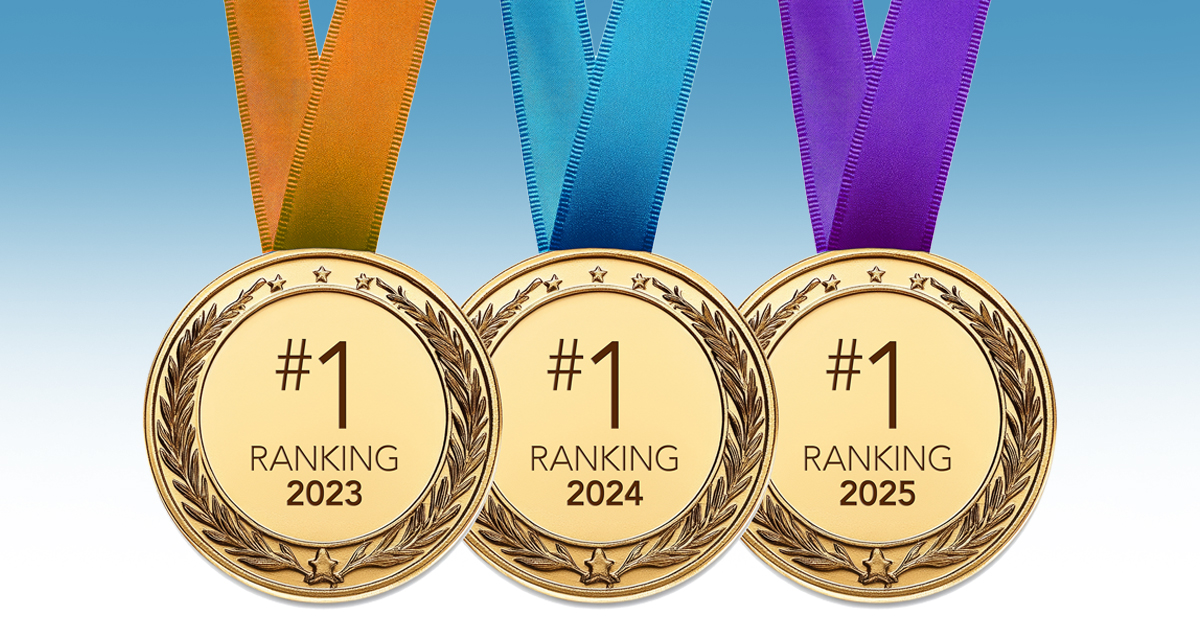
For the third year in a row, CDSPI’s Family of Funds has achieved the top ranking in investment performance based on data from Morningstar Direct1—an accomplishment that underscores the consistency and strength of our investment approach.
In an April, 2026 Investment Executive article by journalist Joel Kranc, CDSPI was recognized once more as the industry’s leading segregated fund performer.
CDSPI topped the 2025 performance list, with 90.2% of its assets under management ranking in the first and second quartiles, according to Morningstar Direct—up from 89% in 2024.
Steven Moscone, Vice President of Advisory Services at CDSPI Advisory Services Inc., emphasizes that maintaining a top position over multiple years reflects both discipline and resilience. These results highlight “the value of diversification, with non-U.S. equities, emerging-market bonds and gold and the TSX leading. As we enter 2026, geopolitical uncertainty reinforces our focus on risk management and consistency.”
Last year “marked our third consecutive year of top-quartile performance,” Moscone added. This translates into tangible benefits for the dental community, especially for incorporated dentists who may rely on segregated funds for both creditor protection and efficient estate transfer outside of probate.
Understanding Morningstar Ratings
Morningstar Ratings provide a concise way to evaluate a fund’s historical performance by factoring in risk-adjusted returns and expenses. Funds are assigned between one and five stars, offering a relative comparison against peers in the same category.
Morningstar Ratings can be a helpful starting point when assessing investment options:
Comparative Insight:
They make it easier to evaluate how a fund stacks up against similar offerings.
Risk Awareness:
By incorporating risk-adjusted returns, they highlight how effectively a fund balances performance with volatility.
Cost Consideration:
Fees are taken into account, helping investors judge whether returns justify expenses.
Efficient Screening:
They simplify the process of narrowing down a broad universe of funds.
“Ratings are one piece of a much larger puzzle,” says Shan Janmohamed CFP®, RRC®, Investment Planning Advisor with CDSPI Advisory Services Inc. “We work with clients to interpret peer analysis, investment mandates and research in the context of their overall financial plan, helping them make informed, personalized decisions.”
Staying Focused in Changing Markets
Amid ongoing geopolitical uncertainty and no clear market direction, CDSPI clients benefit from a diversified approach built to perform across various market conditions. While markets will continue to shift, a structured, long-term strategy—supported by regular reviews—helps keep portfolios aligned with evolving goals and conditions.
Strong investment performance supports long-term outcomes—but advice adds measurable value. Portfolios guided by a financial advisor have been shown to outperform by an average of 3.85%2, driven by disciplined planning, behavioural guidance and ongoing management. Paired with top-quartile performance, this can further enhance returns while helping manage risk.
If you have questions about your financial plan, investment strategy, or if you’d like to add CDSPI Funds to your investment portfolio, please contact CDSPI Advisory Services at 1.800.561.9401, email investment@cdspi.com, or book a meeting online.
1 A golden year for seg funds | Investment Executive | Joel Kranc
2 What's the value of a Canadian Financial Advisor | Investment Executive
Past performance is not necessarily indicative of future results. For more details on the calculation of Morningstar ratings, please see morningstar.ca .
Malpractice FAQs For Practicing Dentists

Malpractice insurance can feel complicated, but knowing how your coverage works is key to protecting your practice. These FAQs answer common questions dentists have, including what happens if a claim is made, who needs coverage, and whether employees are included. You’ll also learn how coverage can differ based on your work arrangement, whether incorporation matters, what CDSPI Excess Malpractice Insurance covers, and how your protection works if you move out of province.
What do I do if a malpractice claim is made against me?
If you suspect a malpractice claim may be made against you, you must contact your malpractice insurance provider immediately.
If your malpractice coverage is through CDSPI, you must notify us as soon as you become aware of a claim or a potential claim whether the allegation is verbal or written.
CDSPI will notify the insurer and a claim file will be opened. An adjuster will then contact you and explain the process, which could include contacting the patient, their lawyer, or asking an opinion from a dental expert. This may take some time so use the opportunity to gather all documentation that could potentially relate to the claim, including electronic correspondence and/or documents. Never alter or destroy documents.
Once the process is completed, the adjuster will make a recommendation to the insurer about how to proceed.
If a claim does proceed to litigation, it's taken over by the insurer's legal counsel.
Who is required to have dental malpractice insurance?
All practicing dentists.
Retired dentists who maintain an active license to practice dentistry.
Retired dentists who teach dentistry at a university may require malpractice coverage if the university does not extend their malpractice insurance to you. Please confirm your malpractice coverage requirements with your licensing body.
Postgraduate students in a residency program are required to purchase malpractice insurance if the hospital/university does not offer coverage to the students.
Are my employees covered under my policy?
Employees who are not required to carry their own malpractice coverage (e.g. dental assistants) will be covered under your malpractice policy if they are named in a lawsuit along with the dentist, subject to the terms and conditions of the policy.
Is there any difference in my malpractice coverage if I am hired as an employee or as a self-employed contractor (not an employee or an associate)?
There is no difference in the coverage whether you are an employee or self-employed contractor.
Does my status as a corporation affect my malpractice insurance in any way?
The coverage provided is the same for individuals and corporation with CDSPI Malpractice Insurance.
What is CDSPI Excess Malpractice insurance?
CDSPI Excess Malpractice Insurance is only available to dentists licensed to practice in the province of Alberta or Ontario. It provides coverage in excess of your mandatory primary policy limit in the event a patient makes a claim against you that arises from your professional services.
If I move out of the province, will I still be covered by my CDSPI malpractice insurance?
Your CDSPI Malpractice Insurance will cover you across Canada except for Alberta, Ontario and Quebec, provided you are licensed in the province.
For example, if you purchase malpractice coverage while practicing in Nova Scotia and move to Saskatchewan, you must be licensed in Saskatchewan. You need to let CDSPI know once you have your new license since your malpractice coverage goes with you wherever you go if you are licensed in the province or territory.
I was told CDSPI Malpractice Insurance is a claims-made policy, what does that mean?
CDSPI Malpractice Insurance is a claims-made policy. This means the policy responds to claims as they are reported. For example, if a patient was injured while undergoing treatment with you in 2021, but filed a claim today, it would be your current policy that would respond to the claim, despite the incident occurring in 2021.
It is important you notify CDSPI immediately of any circumstance which may reasonably be expected to give rise to a claim under the policy, or you receive a claim. It is a condition of the policy.
Upon retirement or if you choose to leave the profession or surrender your license to practice dentistry, the CDSPI Malpractice Insurance policy continues to provide dentists with coverage to respond to claims made against you for incidents that occurred before you retired/surrendered your license but were not reported until after that time.
This continuance of coverage does not apply to dental therapists, dental hygienists, dental assistants, or dental nurses who retire or leave the profession.
Malpractice FAQs for Retiring Dentists

Planning your retirement involves more than stepping away from practice, it also means understanding how your malpractice insurance responds as your professional status changes. Whether you’re fully retiring, transitioning out of practice, or maintaining an active license, it’s important to know when coverage is required, how nonpractising status works, and what protections remain in place after you stop practising. The FAQs below address the most common questions retiring dentists ask about CDSPI Malpractice Insurance and Excess Malpractice Insurance, so you can make informed decisions with confidence.
What do I need to know about my CDSPI Malpractice Insurance coverage when I retire?
For as long as you have an active license, you must have malpractice insurance and continue to pay the premium.
Example 1:
Dr. Ali lives in PEI and decides to retire on December 31. She has sold her practice but decided that she will not renew her license with DAPEI when it comes due on April 1. If you retire but still hold a valid license, you must have malpractice insurance and pay the premium. In this case, Dr. Ali would still be considered a practising dentist from January through March and would be required to have malpractice coverage.
Example 2:
Dr. Kolpacki has sold his practice and considers himself retired. He has not given up his license. During the transition with the new dentist, he works two days a week. In this case Dr. Kolpacki would be required to have malpractice coverage.
Example 3:
Dr. Yu retired and gave up his license on September 30, 2021. He immediately informed CDSPI he was no longer practising. Dr. Yu is then considered non-practising (NP) status. This means he is no longer required to pay the premium for his malpractice insurance, but the coverage remains in force for any claims that may arise from when he was licensed/pracising. This feature is important because claims can certainly arise week, months, or even years after a dentists transitions to non-practising.
If a claim is made against me after I retire for an error that I occured when I worked, will my CDSPI Malpractice Insurance still cover me?
Retirement doesn't mean the coverages offered by your policy cease upon retirement. Even when you've stopped practising, CDSPI Malpractice Insurance continues to apply for any work done while you were licensed and covered by the policy.
Our insurer will respond to claims made against dentists for the work they did while they were licensed provided their CDSPI Malpractice Insurance is on a non-practicing status, subjects to the terms and conditions of the policy.
If I'm retiring but not giving up my license, can I give up just my CDSPI Excess Malpractice Insurance (in Ontario and Alberta)?
Yes, CDSPI Excess Malpractice Insurance is not a mandatory insurance. However, if you continue to practice dentistry you remain at risk of claims and the added coverage from CDSPI Excess Malpractice Insurance should be carefully considered.
If you keep your CDSPI Excess Malpractice Insurance until retirement and upon the surrender of your license, then as long as you continue under non-practising status with your primary provider, you will continue to be covered by the plan, subject to the terms and conditions of the policy.
CDSPI Malpractice Insurance and Excess Malpractice Insurance are not available in the province of Quebec.