
Happy Clinic, Healthy Practice: Why Support Systems Matter More Than Ever
Working in a dental practice in 2026 means navigating a steady accumulation of pressures.
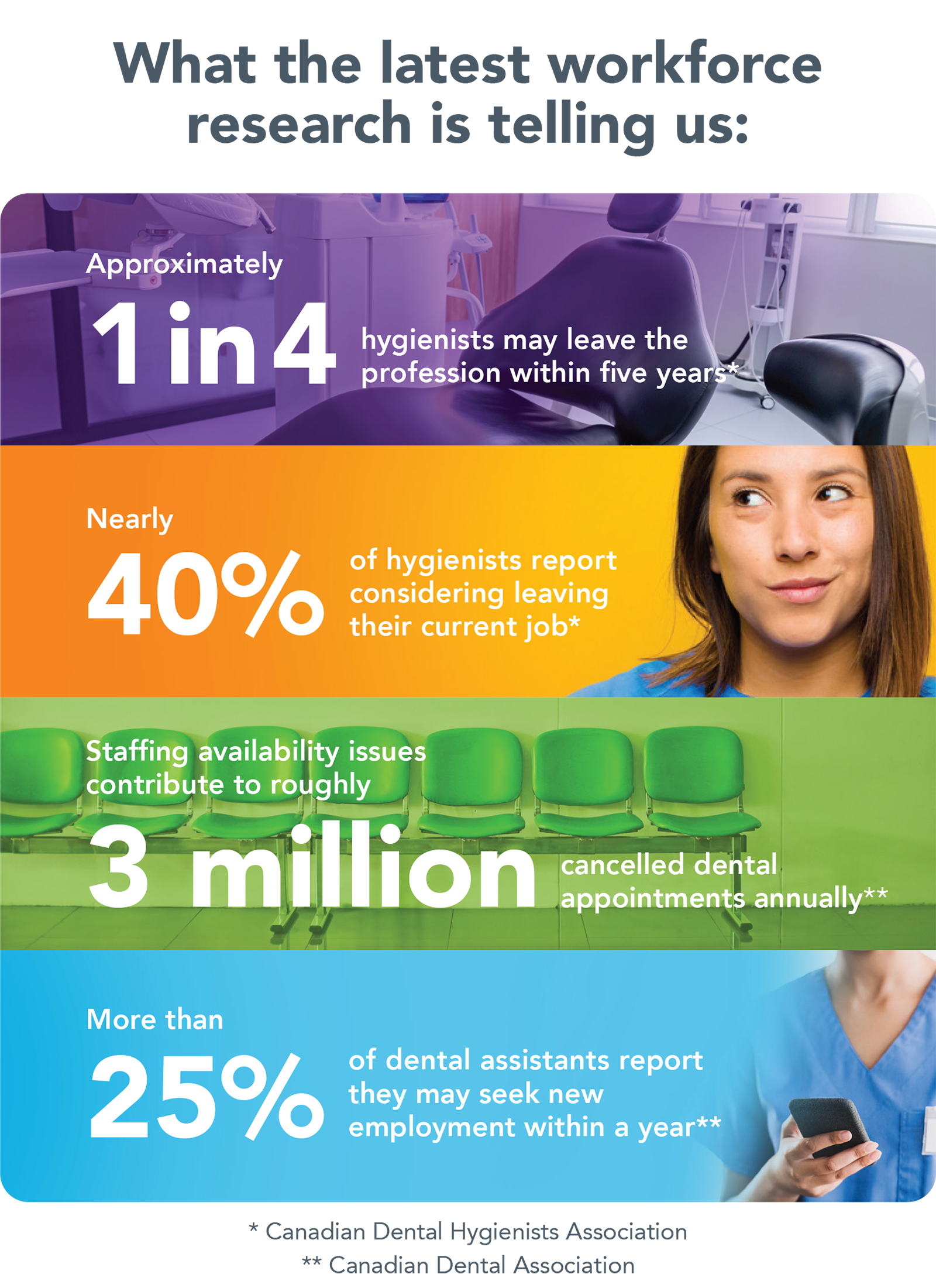
Staffing remains one of the most visible challenges. Many practices continue to have trouble recruiting and retaining hygienists and dental assistants. Workforce data reports a growing number of dental professionals reconsidering their roles due to workload, stress, and workplace experience.
At the same time, global financial pressures are tightening margins. Patient expectations are also evolving. Cost sensitivity is increasing, particularly among uninsured populations, and patients are placing greater value on transparency, efficiency, and consistency in their care experience.
In many cases, the difference between a practice that absorbs pressure effectively and one that struggles comes down to practice culture and how people are supported day to day. Communication, leadership consistency, and access to support all influence how teams respond when challenges arise.
This is where many practices are beginning to shift their focus. Rather than attempting to eliminate external pressures, they are strengthening the internal systems that help teams manage them. The secret weapon in your workplace wellbeing arsenal that you may not be aware of is the Members’ Assistance Program(MAP).
Available at no cost to dental professionals courtesy of CDSPI through our partners at TELUS Health, MAP can play a broader role in supporting leadership, strengthening workplace culture, and helping teams navigate stress before it escalates. The opportunity is not simply to offer or recommend MAP as a benefit, but to use it with thoughtful intention as part of a more proactive approach to leading and supporting your teams.
POSITIONING MAP AS A CULTURAL ASSET
In many dental practices, MAP is understood as a confidential service available when someone is facing a personal or professional challenge. It is often positioned as something to access in moments of difficulty, rather than as part of the day-to-day environment of the clinic. That perception is understandable, but it can limit the role MAP is able to play.
In practice, MAP can contribute to something broader: the overall culture of how a team experiences support, communicates under pressure, and navigates challenges together. When it is visible, accessible, and regularly referenced, it helps reinforce a workplace environment where seeking guidance is normalized and support is readily available.
This perspective reflects a broader shift in how workplace wellbeing is being approached across professional environments. In a recent webinar with TELUS Health, CDSPI explored how programs like MAP can move beyond reactive support to play a more proactive role in how workplace culture is experienced, how leaders navigate challenges, and ultimately how practices support and retain teams.
A recording of the session is available for those interested in exploring the topic further.
The sections that follow outline practical ways to embed MAP into everyday practice, beginning with how wellbeing is made visible and normalized within the clinic.
Making Wellbeing Part of the Everyday
Making team wellbeing support more visible and accessible as part of the day-to-day environment does not require major changes. Small, consistent actions can help normalize support and make resources like MAP more approachable for the entire team.
Make Confidently Clear and Concrete
What this can look like:
- Briefly explain that MAP is a confidential, third-party service
- Reinforce that no personal information is shared with the practice
- Mention practical safeguards (for example, separate scheduling processes and discreet access)
Introduce "Wellness Minutes" in Team Meetings
What this can look like:
- A 2–5 minute discussion at the start or end of a meeting
- Sharing a short article, video, or tip from TELUS Health resources
- Briefly acknowledging common stressors (time management, workload, balance)
Make Access Easy and Visible
- Posting MAP details in staff rooms or shared areas
- Including access information in onboarding materials
- Saving login details on shared or bookmarked devices
- Periodically reminding the team that the service is available
Normalize Through Small, Consistent Signals
- Mentioning MAP during team check-ins or busy periods
- Referring to it as a resource for everyday challenges (like household budgeting, finding childcare or eldercare, etc.) not only crises
- Encouraging use without requiring disclosure
HOW TO ACCESS MAP
Confidential Support if available 24/7 for dentists, staff, and their families.
Phone (24/7):
1.844.578.4040
Online:
one.telushealth.com
Mobile App:
TELUS Health One
Login:
Username: [Your Provincial/Territorial Association Abbreviation]Password: CDSPI
In Quebec, MAP can be accessed using the login [CDA] and the password [CDSPI].
What MAP offers:
- Counselling sessions
- Financial and legal consultation
- Work-life and family support
- Wellness resources and tools
- Savings and perks, including discounts on popular brands
Establishing visibility and familiarity is the first step. Once MAP is part of the everyday environment, it can also become a practical tool for navigating more complex team and leadership challenges.
SUPPORT FOR NAVIGATING WORKPLACE SITUATIONS
Situations involving team dynamics, performance concerns, or changes in behaviour can be difficult to approach, particularly when there is uncertainty about how to respond. MAP provides access to consultants who specialize in workplace and interpersonal issues. These conversations can help clarify options, provide language for difficult discussions, and offer a structured way to approach sensitive situations.
For those in leadership roles, this can support:
- Preparing for challenging conversations
- Responding to changes in team member behaviour
- Navigating conflict or communication breakdowns
- Navigating workplace tension
- Seeking perspective on a situation
- Preparing for a conversation with a colleague or employer
Having the opportunity to talk through a situation in advance often leads to more confident, constructive outcomes.
Support Beyond the Clinic
Many of the pressures experienced are not limited to the workplace. Balancing clinical responsibilities with personal commitments, family responsibilities, or financial decisions can create a steady mental load over time. MAP includes anytime, anywhere access to CareNow: a personalized platform of interactive content, 24-hour live chat, self-care programs and wellness assessments.
It also includes access to one-on-one counseling on a range of issues from managing family or caregiving responsibilities, to advice on time management and workload balance. An oft used and particularly valuable resource is access to qualified legal professionals in areas such as family, property, civil, estate, etc.
While these may seem separate from clinical practice, they often influence focus, energy, and overall wellbeing. Having access to practical support in these areas can help reduce that background pressure and make it easier to stay present and engaged at work.

IN PRACTICE: USING MAP TO HELP DEESCALATE
The Situation
- Appointments are running behind more frequently
- Communication feels shorter and occasionally tense
- A few minor oversights have occurred, which is unusual
The Challenge
- Is this a performance issue or something else?
- How can the conversation be supportive without being intrusive?
- What is the right way to raise concerns without creating tension?
Leveraging MAP
- Focus on observable behaviours rather than assumptions
- Prepare clear, neutral language for the conversation
- Understand how to offer support while maintaining appropriate boundaries
- Plan how to respond depending on how the conversation unfolds
The Outcome
- Is grounded in specific observations
- Offers support rather than corrective action
- Reveals that the team member has been managing challenges outside of work
- Performance stabilizes
- Communication improves
- The working relationship remains strong
Making map stick in practice
You don’t need a formal program for MAP to be effective. What matters most is consistency. In practices where MAP becomes part of the culture, it is typically:
- Introduced early (onboarding or initial conversations)
- Referenced regularly, not only during challenges
- Accessed easily without needing to search for information
These small, repeated signals help build familiarity over time, and when support is needed, it feels accessible, appropriate, and routine. This is an important factor in building and maintaining a stable, engaged team.
Supporting the People Who Support Your Practice
The Members’ Assistance Program is a practical, no-cost tool to support the dental clinic culture. When MAP is visible, understood, and used proactively, it can help teams and individuals navigate challenges with greater clarity and confidence, while reinforcing a culture where support is accessible and encouraged.
This does not require significant change. In many cases, it begins with small, consistent actions that make support easier to access and more comfortable to use. Over time, those actions can contribute to a more stable, resilient team, one that is better equipped to manage pressure, adapt to change, and continue delivering care with confidence.
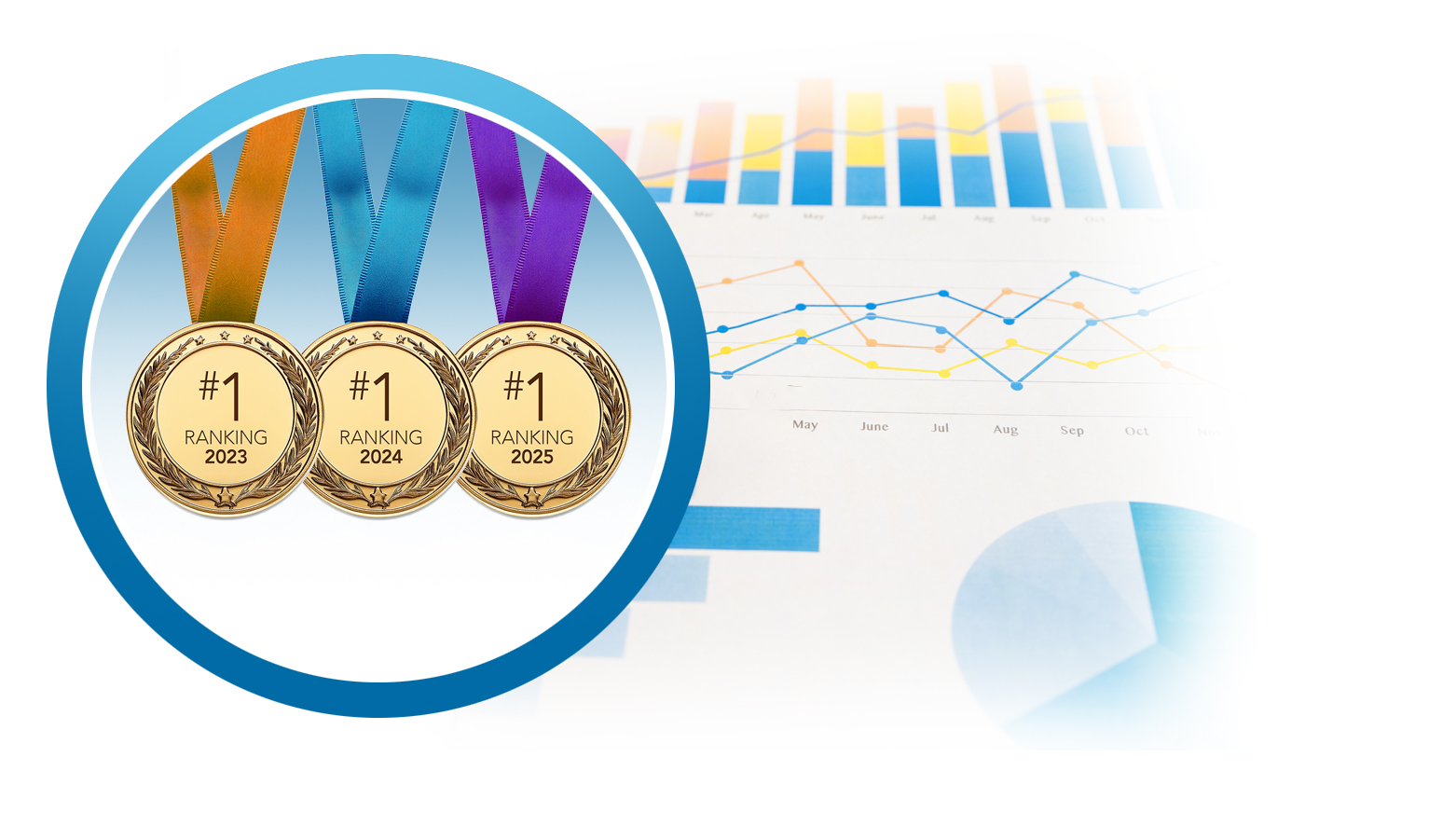
CDSPI FUNDS #1 FOR PERFORMANCE THREE YEARS IN A ROW!
CDSPI’s Family of Funds has been ranked #1 in investment performance for the third consecutive year, based on Morningstar Direct data and reported in Investment Executive.* In 2025, 90.2% of assets under management ranked in the top two quartiles,* reflecting consistent results across changing market conditions. CDSPI attributes this performance to a disciplined, diversified approach, with exposure to global equities, emerging-market bonds and alternative assets helping to support outcomes. While strong performance remains important, CDSPI emphasizes the value of pairing investment strategies with personalized advice to help ensure portfolios stay aligned with evolving goals.
DENTISTS SPOTLIGHT: RETHINKING THE PATH TO PRACTICE OWNERSHIP

Dr. Ray Grewal’s approach to practice ownership challenges the traditional solo model, emphasizing partnership, mentorship and long-term stewardship over rapid expansion. From growing a Vancouver-based oral surgery network to six offices to creating clear pathways for associates to become partners, his focus is on building a sustainable, collaborative environment where both experienced clinicians and the next generation can thrive. In a new profile, Dr. Grewal shares how openness to opportunity, thoughtful leadership and a commitment to people have shaped his career—and what it means for the future of dental practice. Read Dr. Grewal’s story.
MANAGING YOUR TAX BRACKET AFTER RETIREMENT
As you move closer to retirement, financial questions shift from accumulation to coordination. Income may come from multiple sources, including RRSPs, RRIFs, or TFSAs, professional corporations, and government benefits. Without careful planning, withdrawals can unintentionally increase taxable income or trigger avoidable taxes. Read Managing Your Tax Bracket After Retirement: 10 Smart Steps to Follow, for practical strategies to structure retirement income more efficiently.
* A golden year for seg funds | Investment Executive | Joel Kranc
** TFSA usage drops as Canadians cope with higher cost of living: BMO