This article was developed by CDSPI with risk-management guidance and claims insights supplied by Zurich Insurance Company Ltd. (Canadian Branch), the insurer for CDSPI TripleGuard™ Insurance.
Dental practices depend on a growing range of electrically powered equipment to deliver care. Sterilizers, compressors, suction systems, imaging technology, computers, and diagnostic equipment all rely on a stable and appropriately designed electrical supply.
The risk often does not come from one obviously faulty device. It can develop gradually as new equipment is added, older systems remain in place, and temporary power solutions become permanent.
That is why electrical safety should be considered whenever a practice renovates, expands, or invests in new technology.
Why electrical risks can grow over time
Many dental practices operate in older buildings or spaces that were originally designed for retail or general office use. Even after a dental fit-out, the underlying electrical system may not have been designed for the amount or type of equipment now in use. Common electrical demands in a dental office include:
autoclaves, sterilizers, and drying units
compressors and suction systems
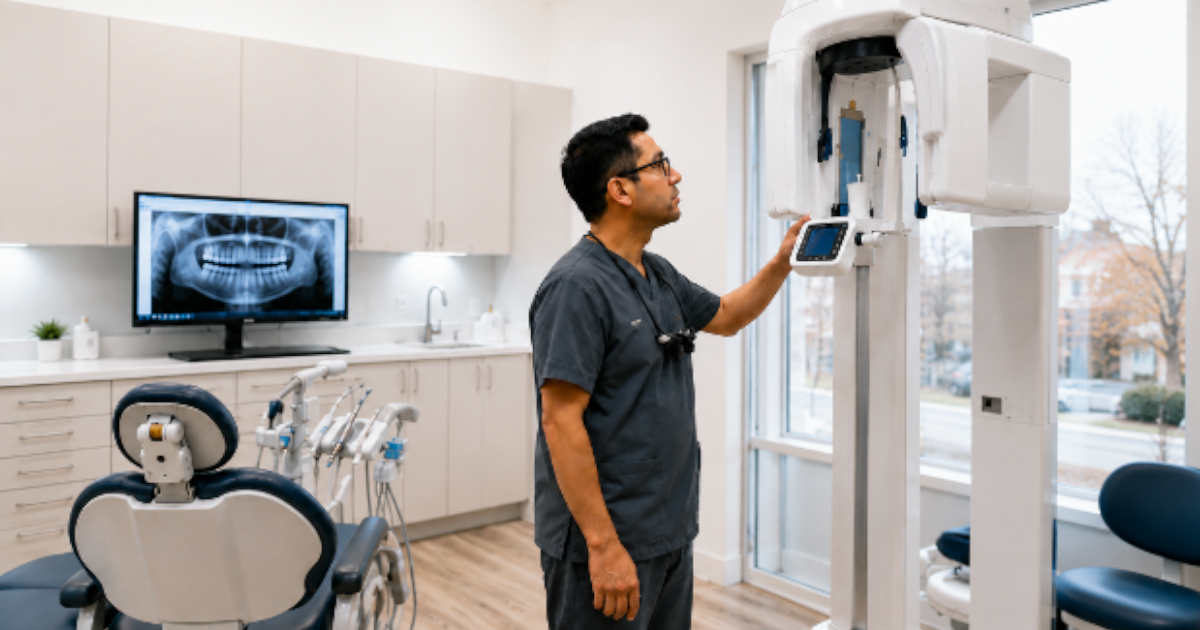
X-ray and CBCT equipment
computers, monitors, and digital imaging systems
charging stations and portable devices
HVAC and building systems
laboratory and support equipment
Some of this equipment draws a significant electrical load or operates continuously during clinic hours. As more equipment is added, the electrical service, panel, and individual circuits may no longer be adequate.
Zurich’s guidance notes that electrical losses in dental offices are often associated with overloaded circuits, aging wiring, improper installation, insufficient capacity, and temporary power use that continues over the long term.
Warning signs should not be ignored
Electrical problems often provide early warning signs before a more serious incident occurs, and staff members are often the first to notice when something is not working normally. They should be encouraged to report:
burning smells
overheating equipment
unusual sounds
recurring power interruptions
damaged plugs or cords
outlets that feel warm
breakers that trip repeatedly
Repeated breaker trips, for example, may signal that a circuit is carrying more load than it was designed to handle. Resetting the breaker without investigating the cause can allow the underlying problem to continue.
Maintain equipment and electrical systems
Routine maintenance can help identify problems before they become serious. A practice may want to include the following in its preventive maintenance program:
electrical panels and breakers
power cords and plugs
sterilizers and autoclaves
compressors and suction systems
imaging equipment
aging equipment approaching replacement
ventilation around heat-producing devices
Records of inspections, servicing, and repairs should be retained.
It is also important to follow manufacturer instructions for installation, ventilation, and clearance. Heat-producing equipment should be kept away from paper, cardboard, and other combustible materials.
Out-of-service or obsolete equipment should be disconnected and removed rather than left powered but unused.
Before adding new equipment, review the electrical systems
A new piece of equipment may fit physically into the practice without fitting safely into its electrical system.
Before installing a sterilizer, compressor, imaging system, or other high-load device, Zurich recommends having the electrical requirements reviewed by a licensed electrician. The review may consider:
the capacity of the electrical panel
whether a dedicated circuit is required
grounding and voltage stability
ventilation and clearance
the age and condition of wiring
whether electrical upgrades are needed before installation
ventilation around heat-producing devices
Compressors and other continuously operating equipment may require dedicated circuits sized for their specific demand.
Electrical planning should also be part of renovations and expansions. Cosmetic improvements alone do not confirm that the underlying infrastructure can support new equipment or a larger clinical operation.
It is also important to avoid letting temporary power solutions become permanent. Extension cords and power bars should not generally be used as a substitute for properly installed outlets and circuits. Continuous use can contribute to overloaded outlets, overheating, damaged cords, loose connections, tripping hazards, and increased fire risk.
Daisy-chaining power bars or connecting multiple extension cords can increase these concerns further. Zurich’s claims include examples of incidents where continuous use of extension cords or power bars behind dental chairs contributed to overheating and ignition. Zurich’s claims insights for CDSPI TripleGuard Insurance indicate that about 5% of claims are related to electrical risks, with most linked to power surges and power interruptions.
If a practice does not have enough outlets or electrical capacity for the equipment in use, this may indicate that the electrical system should be reviewed before more temporary connections are added.
Electrical events can affect more than one device
An electrical incident may begin with one circuit or piece of equipment, but the impact can spread. Possible consequences include:
equipment damage
smoke or fire damage
inspections and electrical repairs
damage to cabinetry or nearby property
cancelled appointments
temporary loss of treatment rooms
disruption to neighbouring units
delayed equipment replacement
Reduce risk and review your protection
Electrical risks cannot always be eliminated. Storms, power surges, utility interruptions, and unexpected equipment failures can still occur.
However, appropriate electrical capacity, qualified installation, preventive maintenance, and prompt attention to warning signs may help reduce the likelihood or severity of a loss.
It is also worth considering whether current practice insurance reflects the equipment, technology, leasehold improvements, and operational needs of the practice today.
An Insurance Advisor at CDSPI Advisory Services Inc. can help practice owners and associates review their TripleGuard Insurance coverage and discuss whether their current protection reflects how they practice.
This article is provided for general risk-management information only and does not constitute legal, insurance, or professional advice.
TripleGuard™ Insurance is underwritten by Zurich Insurance Company Ltd. (Canadian Branch). A full description of coverage and eligibility, including exclusions, restrictions, and limitations, can be found in the Policy Terms and Conditions governing the plan.